
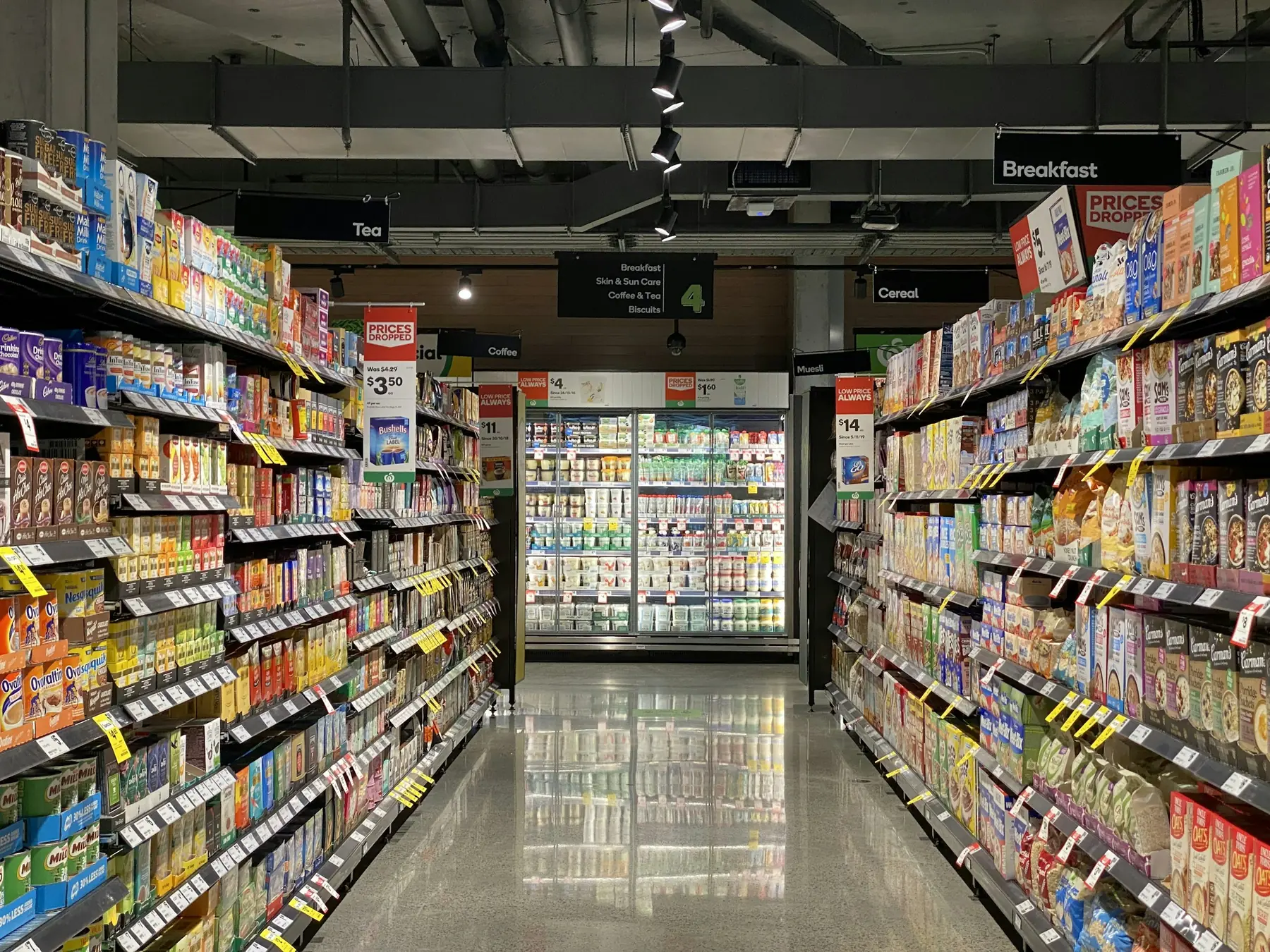
Every organisation has a picture of how its products and services reach customers. Distribution reports, sales data and training manuals describe what should happen. Customers, however, experience what actually happens — and the two are not always the same.
The gap between intention and execution
A company may believe it is widely distributed, while customers say they cannot find the product. A brand may consider its service experience excellent, while a first-time visitor encounters something quite different. A competitor may advertise one price online while customers see another in store.
These gaps rarely show up in internal reporting, because internal reporting is designed around what the organisation expects to measure. Mystery shopping is one of the most direct ways to see the commercial reality from the customer’s side of the counter.
What mystery shopping can assess
- Customer experience — how customers are welcomed, advised and served at each relevant touchpoint.
- Product availability and visibility — whether products are in stock, findable and presented as intended.
- Pricing and promotions — what customers are actually charged and offered.
- Standards and compliance — whether standards defined centrally are applied consistently across locations.
- Competitive comparison — how the same experience compares with competing stores, brands or service providers.
Designing a programme that produces evidence
The value of mystery shopping depends on design. Visits that are not structured around a clear question tend to produce anecdotes rather than evidence. A well-designed programme typically defines:
- The business question. Are you testing service quality, sales effectiveness, compliance with a new standard or competitive positioning?
- The scenarios. Realistic customer situations that allow consistent assessment across visits.
- The sample. Which locations, channels, regions or competitors need to be covered for the findings to be meaningful.
- The criteria. Observable, specific measures that different shoppers can assess in the same way.
- The evidence. Structured observations and, where appropriate and permitted, supporting documentation.
Reading the results
Individual visits can be revealing, but patterns are what matter. Are problems concentrated in particular locations, times or staffing situations? Do competitors consistently perform differently on specific dimensions? Are gaps the result of training, incentives, stock management or something else entirely?
The most useful mystery-shopping reports go beyond scores. They identify where execution diverges from intention, how significant the divergence is commercially, and what should be investigated or corrected next.
An ethical discipline
Mystery shopping and competitor observation should always be conducted within clear ethical and legal limits. The purpose is to understand the customer experience as it genuinely occurs — not to mislead, disrupt or obtain confidential information.
Part of a wider picture
Mystery shopping is most powerful when combined with other evidence: retail audits that document availability and shelf presence, price checks across channels, and consumer research that explains how customers interpret what they encounter. Together, they close the gap between what is supposed to happen and what actually happens.